

Last month I was delighted to get a note from Brian Hartley, a theologian who recently retired from Greenville University as its chief academic officer. He had heard about our Women of Bethel project and wanted to let me know about a similar initiative he had spearheaded at Greenville, a Free Methodist college in southern Illinois.
Funded by a grant from the Council of Independent Colleges’ Network for Vocation in Undergraduate Education (NetVUE), Hartley and his faculty and student collaborators researched the History of Women in Leadership at Greenville, which took over the campus of Almira College, a Baptist women’s college, in 1892 and named Suzanne Allison Davis its first woman president in 2020. Here’s part of Hartley’s introduction:
The unwritten history aimed to display the pioneering role of Greenville University in training, empowering, and employing women for leadership. From its beginnings, Greenville College (now University) recruited women of character and competence to teach on its faculty, including Mary Alice Tenney, the author of its published early history. These women exercised an outsized influence on the ethos of the institution and the education of students. Their leadership at board level, in executive leadership roles, and in key leadership positions across campus put Greenville at the forefront of the Christian college movement. Countless women alumni have served, and continue to serve, in positions of leadership within the institution and across the church, including Suzanne Davis, the current President.
With its goal of telling Greenville’s “story of growth, influence, and faithfulness through the lens of women connected with it” and its extensive use of archival sources, Hartley’s project echoes some of the goals and methods of my own. And as I’ll do with Bethel, the women’s history project at Greenville pays significant attention to women’s sports, through essays on June Starr Strahl and Phyllis Holmes.
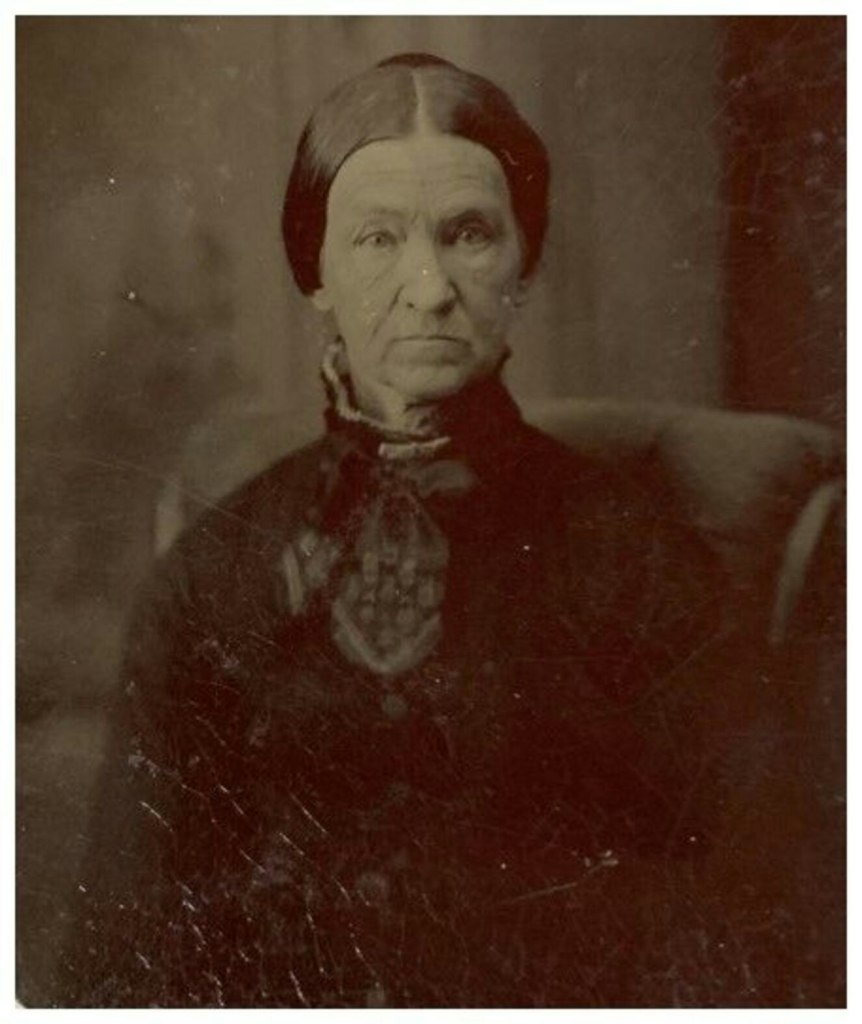
The major differences are the multiplicity of authors — several of the essays were written by student-faculty teams — and the biographical focus on individual leaders, from Almira College founder and namesake Almira Blanchard Morse to pioneering professors like Mary Alice Tenney and Harriette Warner Whiteman.
So while my own project on the women’s history of Bethel is still in progress, please take a look at what these Greenville historians were able to accomplish with a similar investigation into a sister institution.
 The Women of Bethel